“Primeval Forest” search results (200)
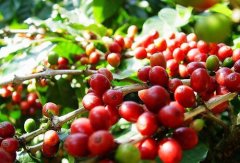
The flavor of Ethiopian coffee beans what is Ethiopian coffee?
Ethiopia is the country where coffee was first discovered. Today, there is still a lot of wild coffee for farmers to harvest in the primeval forest. Ethiopia is a country with poverty, drought and civil war, but it is still the most important coffee producer in terms of coffee quality and output, and it is also the best and top coffee producer in the past year or two. Ethiopian coffee can be divided into two treatments. Washing place
2016-05-07 Yesso Bia Coffee beans Flavor what Coffee Pia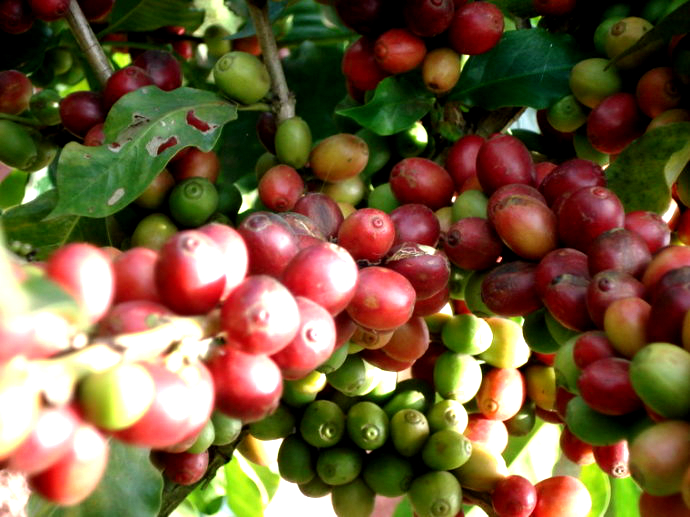
What is the difference between the characteristics of Yega Chuefei Coffee Bean and Bourbon Yega Chefe?
Iron pickup "Typica" iron pickup, the name sounds majestic and powerful, but in fact it is not so strong. It has a weak physique, poor disease resistance, easy to catch rust leaf disease, and produces less fruit. It is one of the oldest native varieties in Ethiopia, and many Arabica are derived from iron pickups! The parietal leaf of the iron pickup is bronzed, and the bean grain is large, pointed, oval or thin.
2016-04-22 Pickup or bourbon coffee beans price Yega Chevy tanning processing
Guatemala Coffee Manor Latisha Manor
Coffee cultivation at Incht Manor began in 1900. With a total area of 720 hectares, it maintains 470 hectares of primeval forest in order to maintain the natural and precious microclimate. To prevent the microclimate of the whole manor from being affected by excessive reclamation. The use of reasonable farming methods to protect soil nutrients, so that soil quality will not be gradually degraded by long-term planting, so as to maintain abundance.
2016-06-15 Guatemala Coffee Manor Ratti Hutt planting began 1
Introduction of coffee plantation in Bali, Indonesia
When we arrived in Bali in the height of summer, Cade, the local driver of Ubu, led us through a large wet and dense primeval forest and finally stopped in front of a coffee plantation. Indonesia is a country rich in coffee beans, and its output ranks fourth in the world, especially Bali's unique soil conditions, geographical location and cultivation methods.
2016-06-15 Indonesia Bali Coffee Plantation introduction Exploration We arrive Pakistan
Ethiopian Sidamo tanning treatment of the Lion King
Ethiopia is the country where coffee was first discovered. Today, there is still a lot of wild coffee for farmers to harvest in the primeval forest. Ethiopia is a country with poverty, drought and civil war, but it is still the most important coffee producer in terms of coffee quality and output, and it is also the best and top coffee producer in the past year or two. Ethiopian coffee can be divided into two treatments. Washing place
2016-05-03 Ethiopia Dharma tanning processing Lion King Yesso Pia Coffee earliest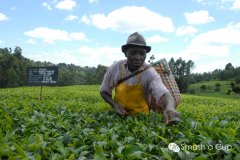
Forest coffee, semi-forest coffee, pastoral coffee and plantation coffee Ethiopian coffee beans
Specialty coffee is also known as specialty coffee. It refers to coffee made from green beans with excellent taste characteristics grown in a few extremely ideal geographical environments. Depending on the particular soil and climatic conditions in which they are grown, they have outstanding flavors. This type of coffee is carefully selected and graded for its hard texture, rich taste and wind.
2016-06-19 forest coffee garden planting ethiopia bia coffee bean boutique sp
Introduction of Panamanian Hartmann honey flavor description taste characteristics and grinding degree
Today's Hartman Manor of Panamanian Coffee Bean is a family business founded by Latip Hartman (son of Eloise) in 1940. In 1966 Latip married Dinola Sandy of Costa Rica. They have five sons, Latipa Jr., Alan, Alexander, Alice and Kelly. Each family member is responsible for the growth management, harvest and treatment of coffee.
2016-10-21 Bana Maha Terman treatment Flavor description Taste characteristics Grinding introduction
Ethiopian Sidamo Lion King Coffee introduces Ethiopian coffee producing area Ethiopian coffee
Ethiopia is the country where coffee was first discovered. Today, there is still a lot of wild coffee for farmers to harvest in the primeval forest. Ethiopia is a country with poverty, drought and civil war, but it is still the most important coffee producer in terms of coffee quality and output, and it is also the best and top coffee producer in the past year or two. Ethiopian coffee can be divided into two treatments. Water washing
2016-03-30 Ethiopia Dharma Lion King Coffee introduction Yesso Pia producing area Yeso
What Ethiopian coffee is grown in Ethiopia Manor?
The coffee-producing region of Ethiopia is divided into east and west parts by the East African Rift Valley, with lakes, volcanoes, lowlands, plateaus and woodlands interlaced, each evolving. Ethiopia has the most diverse coffee ecosystem in the world (forest coffee, semi-forest coffee, pastoral coffee and plantation coffee), which also preserves its rich Arabica genes. The eastern half is mostly plateaus, coffee beans.
2016-05-09 Ethel Searle Biya Manor which planting coffee Ethiopia
Introduction to coffee flavor of Sumatra Lindongla Sunawahanna Manor with strong flavor
Sumatra has an equatorial crossing and belongs to a tropical rain forest climate (high temperature and rainy throughout the year, with obvious dry and wet seasons [1]). Due to the high temperature and rainy all the year round, there is little temperature difference in different places, but there are obvious differences in rainfall. The annual precipitation along the west coast is 3000 mm. The geographical location of Sumatra Island is Sumatra. The mountain area can reach 4500-6000 mm. The annual precipitation from the eastern slope of the mountains to the coastal plain 2.
2016-08-31 Strong heavy Sumatra Lindong Lassu Nava Hana Manor Coffee Wind
Introduction to the characteristics of Coffee varieties in Incht Manor, Guatemala
Coffee cultivation at Incht Manor began in 1900. With a total area of 720 hectares, it maintains 470 hectares of primeval forest in order to maintain the natural and precious microclimate. To prevent the microclimate of the whole manor from being affected by excessive reclamation. The use of reasonable farming methods to protect soil nutrients, so that soil quality will not be gradually degraded by long-term planting, so as to maintain abundance.
2016-10-15 Guatemala Hutt Manor Coffee Grinding processing Variety characteristics Taste production
Introduction of coffee producing areas in Nicaragua-Matagalpa producing areas
Selva Negra farm means "Black Forest". In this corner, you can not only hear the screams of howler monkeys, but also see the giant mouths breathing on the pole. Because it is located at the entrance to the Matagalpa producing area of Nicaragua, it is much easier to wait for other areas in the mountain area, so the farmers here feel worried about their planting life. 1890
2016-06-16 Nicaragua Coffee producing area introduction Mataga Erpa Zawa Negra
Introduction to the taste of coffee flavor producing area of Incht Manor with high alcohol thickness
Coffee cultivation at Incht Manor began in 1900. With a total area of 720 hectares, it maintains 470 hectares of primeval forest in order to maintain the natural and precious microclimate. To prevent the microclimate of the whole manor from being affected by excessive reclamation. The use of reasonable farming methods to protect soil nutrients, so that soil quality will not be gradually degraded by long-term planting, so as to maintain abundance.
2016-09-14 With high thickness Hutt Manor Coffee Flavor producing area taste introduction
Djimmah is medium in texture and rugged with earthy Ethiopian boutique coffee beans.
The coffee-producing region of Ethiopia is divided into east and west parts by the East African Rift Valley, with lakes, volcanoes, lowlands, plateaus and woodlands interlaced, each evolving. Ethiopia has the most diverse coffee ecosystem in the world (forest coffee, semi-forest coffee, pastoral coffee and plantation coffee), which also preserves its rich Arabica genes. The eastern half is mostly plateaus, coffee beans.
2016-07-04 Gemma Djimmah texture medium rough rustic Ethel Searle
Ethiopia-Ghimbi, Sidamo, Harar and Yegashefi
Ethiopia's coffee-producing areas are divided into east and west parts by the Great Rift Valley. Lakes, volcanoes, lowlands, plateaus and woodlands alternate and evolve independently. Ethiopia has the most diverse coffee ecosystem in the world (forest coffee, semi-forest coffee, pastoral coffee and plantation coffee), which also allows it to preserve its rich Arabica genes. The eastern half is mostly plateau, coffee beans
2016-04-18 Essel Serre Biya Region Manor Kimbi Ghimbi Hilda Ha
Introduction to the types of Magi Coffee and the practice of all kinds of Coffee hand-made Coffee in Yega Xuefei Sun treatment Class
Main points: see that some friends say to buy coffee powder directly, I personally recommend people in large and medium-sized cities, it is better to buy fresh coffee beans and grind them themselves. To make a good cup of coffee, the most fundamental thing is to have fresh and high-quality coffee beans; hand mill to buy better, can ensure that the coffee powder is uniform. If the powder is not evenly ground, the coffee will not taste good.
2016-04-20 Yega Chevy Solar processing Banki Maggie Coffee introduction all kinds
Harald (Harar) Berry delightfully fermented mixed flavors in the Eastern Highlands of Ethiopia
The coffee-producing region of Ethiopia is divided into east and west parts by the East African Rift Valley, with lakes, volcanoes, lowlands, plateaus and woodlands interlaced, each evolving. Ethiopia has the most diverse coffee ecosystem in the world (forest coffee, semi-forest coffee, pastoral coffee and plantation coffee), which also preserves its rich Arabica genes. The eastern half is mostly plateaus, coffee beans.
2016-07-04 Harald Rahl Harar berries delightful fermented fragrant Essel
Jasmine tea, which is preferred by Ghimbi growers as a composite bean material, is fragrant and bitter
Ethiopia's coffee-producing areas are divided into east and west parts by the Great Rift Valley. Lakes, volcanoes, lowlands, plateaus and woodlands alternate and evolve independently. Ethiopia has the most diverse coffee ecosystem in the world (forest coffee, semi-forest coffee, pastoral coffee and plantation coffee), which also allows it to preserve its rich Arabica genes. The eastern half is mostly plateau, coffee beans
2016-07-04 Kimbi Ghimbi Breeders Likes As Composite Material Jasmine Tea
Leaping slightly sour Lindong Coffee Flavor Manor in Sumatra, Indonesia
Sumatra has a population of about 37 million and has a low population density (85 per capita). Densely populated areas include North Sumatra and the Central Highlands of West Sumatra, with the largest urban areas concentrated in Jugang and Medan. Local residents speak 52 different languages, all of which belong to the South Island language family and are culturally similar. In the east, the most common language is Malay, but not in other areas
2016-08-25 Jumping slightly acidic Indonesia Sumatra Lindong coffee flavor taste manor production
Sidamo Fruit Fruit Coffee with Light to moderate Baking and washing Nuts
The coffee-producing region of Ethiopia is divided into east and west parts by the East African Rift Valley, with lakes, volcanoes, lowlands, plateaus and woodlands interlaced, each evolving. Ethiopia has the most diverse coffee ecosystem in the world (forest coffee, semi-forest coffee, pastoral coffee and plantation coffee), which also preserves its rich Arabica genes. The eastern half is mostly plateaus, coffee beans.
2016-07-04 Dharma Sidamo light medium baking washing nuts fruit boutique